The two numbers in every EV battery warranty
A high-voltage battery warranty is separate from the car's general warranty and almost always longer. It has a term — commonly eight years or a distance limit, whichever comes first — and a capacity floor, usually around 70%. Drop below the floor inside the term and the manufacturer has to put it right. Stay above it and gradual loss is treated as normal wear.
That floor is why a measured state of health figure and the warranty position have to be read together. A car sitting at 73% with eighteen months of cover remaining is a very different proposition to the same reading with the cover expired — one is a potential new pack, the other is a repair bill.
Typical Australian terms
Indicative only — terms change by model year, variant and delivery date, and a car first sold overseas may carry nothing at all here. Always confirm the specific VIN with the manufacturer.
| Pattern | Term | Capacity floor |
|---|---|---|
| Most mainstream brands | 8 years / 160,000 km | 70% |
| Long-range premium variants | 8 years / 192,000 km | 70% |
| Some Chinese-brand EVs | 6–8 years / 150–160,000 km | 70% |
| Pre-2019 early models | 8 years / 160,000 km | Often bar-based, not % |
Note the distance limits. A 2021 car with 170,000 km on it has run out of battery warranty regardless of the calendar — a common surprise on ex-fleet and ex-rideshare cars.
How to verify it before you pay
Find the real start date
Warranty runs from first registration or delivery, not the build plate. A 2022-plated car delivered in 2023 has an extra year; a 2022 car that sat in a compound has less than you'd think.
Call the manufacturer with the VIN
Ask three questions: how long is left, does it transfer to me, and is any recall outstanding. Ask for it by email. A seller's verbal assurance is not a warranty position.
Check the service history matches
EV servicing is light, which makes it easy to skip — and skipped services are the most common reason a claim gets argued. Missing stamps are a negotiating point.
Ask what the car did for a living
Some warranties exclude or limit commercial use. Rideshare, courier and hire cars are common in this market and don't always declare themselves — the charging history usually tells the truth.
Get the pack measured while cover still runs
A dated, VIN-stamped state of health reading taken before the warranty expires is evidence. Taken after, it's just bad news. This is the single best time to book an inspection.
What quietly voids cover
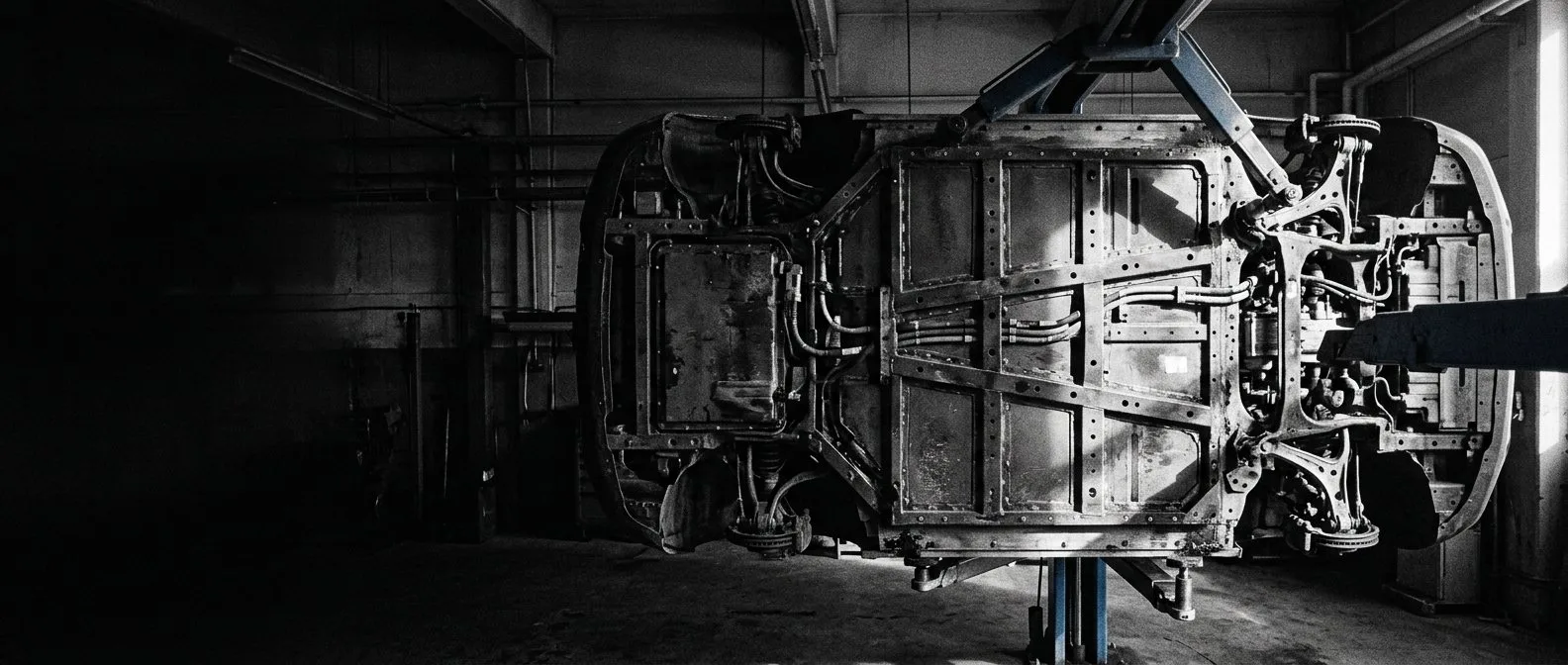
Underbody impact
Scrapes or dents on the battery tray turn a pack failure into an accident claim. We check the tray on every inspection for exactly this reason.
Water and flood history
A live risk in South East Queensland. Isolation resistance and corrosion patterns give it away long after the carpets have dried.
Unapproved HV work
Third-party repairs, aftermarket charging hardware or a pack that's already been opened will usually end the manufacturer's interest in it.
None of these are visible in a listing photo, and all three show up in a proper inspection. If you're working through a car yourself first, the used EV buying checklist covers what you can spot in the driveway.
Measure it while the warranty still counts.
A dated, VIN-stamped battery report is the difference between a claim and a story.