What a PPSR check costs
A few dollars, online, in about a minute
What it reveals
Money owing, written-off status, stolen status
Who needs it
Anyone buying privately — dealers carry different obligations
If a private seller still owes money on the car, the financier’s security interest travels with the vehicle, not with the seller. You can lose both the car and what you paid for it.
What a PPSR check actually does
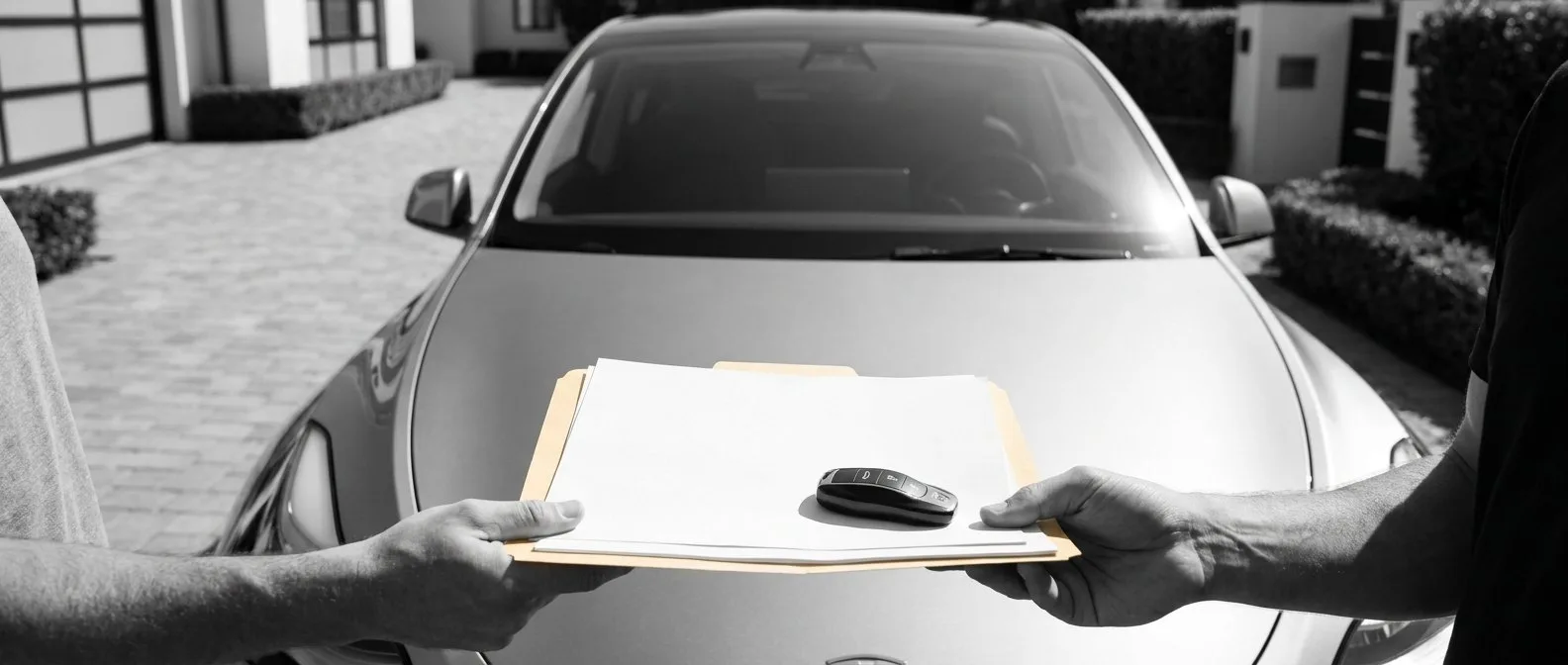
The Personal Property Securities Register records security interests over goods, including vehicles. A search against the VIN returns whether a financier has an interest registered, whether the vehicle has been recorded as written off, and whether it has been reported stolen. It costs a few dollars and takes about a minute.
If a registered security interest exists and you buy the car anyway, the financier can generally recover the vehicle from you. Doing the search — and keeping the certificate — is what protects you.
What an inspection covers, and what it does not
Our inspection answers questions about the car: battery state of health, high-voltage safety, charging behaviour, structural and repair history, mechanical condition and what it will cost to put right. It is the condition half of the purchase.
It is not a title search. We do not verify ownership, outstanding finance or the written-off vehicle register, and no physical inspection can — that information lives in registries, not on the car. The two checks answer different questions and you want both before money moves.
- PPSR search against the VIN, before you pay a deposit
- State written-off vehicle register check where applicable
- Photo ID matched to the registration papers and the seller
- Independent inspection for condition, battery and repair history
The EV-specific traps
Novated lease and salary-packaged EVs are extremely common in the current used market, and the financing behind them is often more complicated than a straightforward car loan. A car being sold by the person who drove it is not the same as a car being sold by the entity that owns it.
Written-off status is the other one worth care. Repairable write-offs after hail and flood events are numerous, and an EV that has been through flood water is a category of its own: water and high-voltage systems are a genuinely serious combination, and a repaired flood car can present perfectly and still be unsafe. The register check and the isolation resistance testing address different halves of that risk.
A safe order of operations
Run the PPSR check first — it is cheap, instant, and if it comes back badly you have saved yourself an inspection fee. Then book the inspection, because condition is what determines the price. Then negotiate with both pieces of information in hand.
Pay by traceable means to the registered owner, never in cash to a third party, and keep the PPSR certificate with the sale paperwork. None of this is complicated; it is simply the part of buying privately that people skip because the car looked fine.
What is a PPSR check?
A search of the Personal Property Securities Register against a vehicle’s VIN. It reveals whether a financier has a registered security interest over the car, whether it has been recorded as written off, and whether it has been reported stolen. It costs a few dollars and takes about a minute.
Does your inspection include a PPSR check?
No. Our inspection covers the condition of the vehicle — battery state of health, high-voltage safety, structural and repair history and mechanical condition. Title, finance and write-off status live in registries rather than on the car, and we tell every client plainly to run the search themselves before paying.
What happens if I buy a car with money owing on it?
The financier’s security interest generally travels with the vehicle rather than the seller, which means the car can be repossessed from you even though you paid for it in good faith. A PPSR search before you hand over money is what prevents it.
Should I buy a flood-damaged EV?
We would strongly advise against it. Water and high-voltage systems are a serious combination, corrosion continues long after the car has dried out, and a repaired flood vehicle can present perfectly while carrying real risk. Isolation resistance testing and a written-off register check both matter here.
Do I still need a PPSR check when buying from a dealer?
Licensed dealers carry obligations around clear title that private sellers do not, so the risk profile is different. It is still an inexpensive search and there is no good reason to skip it — particularly on a car that has come through wholesale or auction channels.