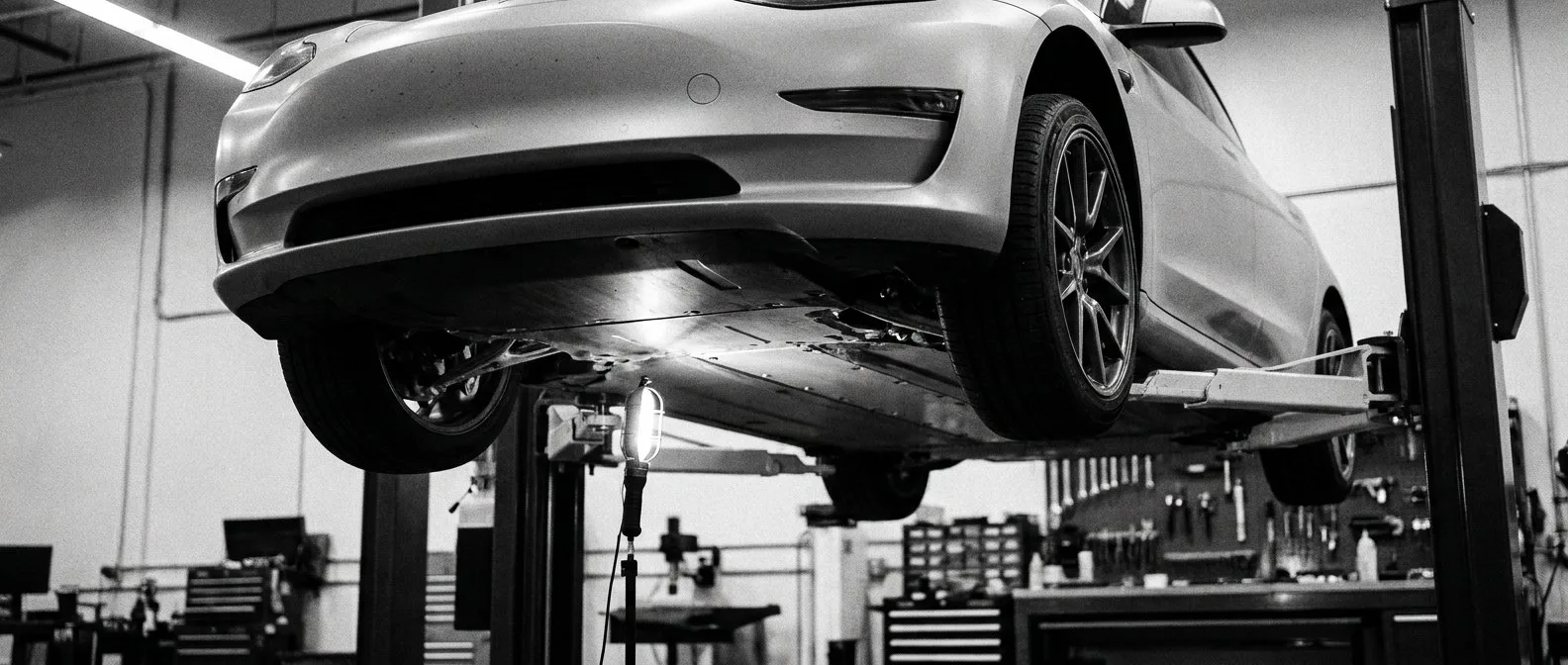
Two things decide a used Tesla, and neither is visible in the listing: which battery chemistry the car has, and when it was delivered. Chemistry changes how you read the pack. Delivery date decides whether any vehicle warranty is left, because Tesla only moved to five years unlimited kilometres for cars delivered from 1 January 2026 — everything before that carries the old four-year, 80,000 km terms.
Which Tesla are you looking at?
Model 3 and Model Y make up almost all of the used Tesla market here. Rear-drive and standard-range cars generally use lithium iron phosphate packs; Long Range and Performance variants use nickel-based chemistry. That distinction changes both the charging advice and the assessment method.
LFP cars are designed to be charged to 100% regularly and tolerate it well. They also have a famously flat voltage curve, which means app-based state of health estimates on them are close to meaningless — a diagnostic read is the only sound approach. Nickel-chemistry cars follow the more familiar degradation curve, and habitual charging to 100% shows up in the data.
What we check on a used Tesla
The full inspection runs on every car. These are the platform-specific items that a general inspection will not reach.
Measured battery state of health
Usable capacity and cell voltage spread read from the battery management system and recorded against the VIN, then compared against what is reasonable for that variant and age rather than a European average.
Charge history and cycle mix
The single most useful signal for separating a home-charged private car from a former rideshare vehicle with the same odometer reading. Heavy DC fast charging is not automatically damage, but it ages a pack differently.
Repair and structural history
Paint depth measured around the car. The pack forms part of the floor structure, so an undisclosed repair matters more here than on a conventional sedan.
Suspension and running gear
Front upper control arms, bushes and tyre wear patterns. These are heavy, torquey cars on expensive rubber, and inner-edge wear at three years is common.
Warranty position and outstanding work
Battery and drive unit cover runs to 8 years or 160,000 km on rear-drive cars and 8 years or 192,000 km on Long Range and Performance, with a 70% capacity floor. We confirm where the specific VIN sits, and whether any service work is outstanding.
Model-specific detail
Each model has its own page with variant tables, known faults and battery notes: the Model 3 inspection guide and the Model Y inspection guide.
If you are cross-shopping, we have written two used-buyer comparisons: Model 3 versus BYD Seal and Model Y versus Hyundai Ioniq 5. Both are built around what is left of each warranty rather than around road-test impressions.
Worried about the battery specifically?
If the pack is your main concern — whether you are buying, selling or just want to know where your own car stands — see the Tesla battery health check. It covers what the number means, why the dash estimate is not it, and how the reading is produced.
Questions about used Teslas
Does a used Tesla still have a factory warranty?
It depends on the delivery date. Tesla moved to a five year, unlimited kilometre vehicle warranty in Australia for vehicles delivered from 1 January 2026. Cars delivered before then carry the previous four year or 80,000 km vehicle warranty, which has expired on many used examples. Battery and drive unit cover is separate and unchanged.
How do I check a Tesla battery before buying?
A diagnostic read from the battery management system, giving usable capacity and cell voltage spread. The range figure on the dash is a prediction based on recent driving, not a measurement of pack capacity, and on LFP cars app-based estimates are unreliable because the voltage curve is flat.
Are ex-rideshare Teslas worth buying?
Sometimes, at the right price. They are not automatically bad cars, but they have usually done far more charge cycles than the odometer suggests and lived on DC fast charging. The point is that the risk should be priced in, and it only can be if the pack has been measured.
Which is better used, a Model 3 or a Model Y?
They serve different needs and both are assessed the same way. The Model Y is the bigger seller here so the used pool is deeper; the Model 3 has been on sale longer so its range of histories is wider. The individual car decides it, not the badge.
Before you commit to a used Tesla.
Measured battery health, verified history, written report inside 24 hours.